Jamwaktu.com – First-year Hofstra University students are now showcasing their creativity through an exhibition of non-traditional photography that is garnering attention within the campus community. These works are the result of a unique course that challenges students to step outside the traditional digital photography approach and into more physical and experimental techniques. The exhibition is currently on display in the FORM Gallery on Hofstra’s south campus and will run through Friday, February 6, 2026.
The course, ‘Reclaiming Photography,’ is being taught in the fall 2025 semester by Rick Odell, Director of Fine Arts Laboratories and Associate Professor of Fine Art. The course is part of the First-Year Connections (FYC) program, which aims to help incoming students explore their academic interests early in their studies. Odell explained that the primary goal of the course is not simply to teach traditional photography techniques, but to give students hands-on experience in the process of image-making as a physical art form.
“A lot of photography today is digital. Everyone has thousands of images on their phones, but not many people touch on the physical process of image-making itself. This class brings students back to the real experience of making photographs,” Odell said.
Experimental Approaches and Physical Processes
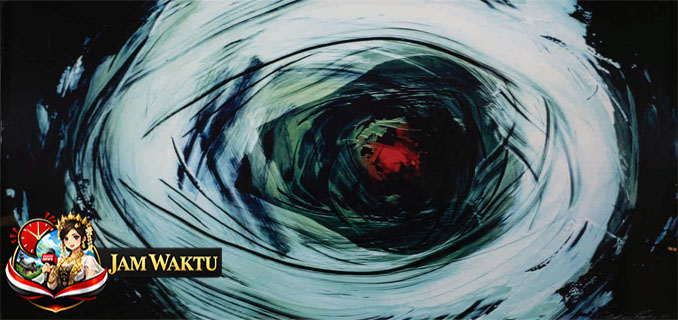
In this course, students are required to work in a darkroom and experiment with techniques rarely used in modern photography. Some of the methods learned include photograms, pinhole photography, and image transfer using unconventional materials like vinyl and fabric.
Photograms, for example, are created by placing everyday objects directly on photographic paper and exposing them under an enlarger in a darkroom. The result is often a dramatic silhouette with rich tonal variations and an aesthetic distinct from traditional digital photography. Other techniques, such as alcohol gel ink transfer, allow students to transfer images from printed transparencies to a variety of media, such as art paper, canvas, and even clothing.
One student even used transfer techniques to create a music-inspired work on a vinyl record, while another combined elements of drawing and hand-drawn images after attempting an imperfect transfer, which later became part of the final work. This incident reflects the course’s philosophy that ‘recovering from mistakes can be the most exciting part of the work.’
Students from Various Majors
Interestingly, this course doesn’t just appeal to fine art or photography students. Fifteen students from various majors including communications, journalism, marketing, and business enrolled in the course, although most had no prior experience in photography or fine art.
One student explained that the class provided a new perspective on visual art, even for those who weren’t initially interested in photography. “I never learned this in high school. This was completely new and opened up the way I looked at images,” she added.
Collaboration and Creative Community
Beyond technique, the course also emphasized collaboration and community. Students frequently worked together, exchanging ideas, and sharing their creative processes throughout the semester. Odell believes that the collaborative experience helped foster a sense of trust and community among the new students, who came from diverse backgrounds.
The exhibition at the FORM Gallery showcased only a portion of the work produced throughout the semester, but it was enough to illustrate the students’ creativity and ability to translate non-traditional photography techniques into their visual work.
The FORM Gallery is known as a student-run exhibition space at Hofstra, providing a platform for students to showcase their artwork in a professional environment. The gallery is located on the first floor of Calkins Hall and regularly hosts art shows by students and invited guests.
Hofstra’s photography and fine arts programs are also supported by comprehensive facilities, including a professional photography studio, a modern darkroom, and access to a wide variety of visual arts equipment. This aligns with the university’s vision to support practical and creative learning experiences for its students.
Connecting Tradition with Innovation
The experiments students undertake in this course exemplify how art education in higher education today seeks to combine historical practices with contemporary approaches. Students are challenged to appreciate the history of the medium while finding resonant visual expressions in the digital age.
“We want students to understand that photography is not just about pressing a camera button, but also about process, materials, and artistic intent,” said Odell.