
Jamwaktu.com – With the increasing number of health supplement options on the market, many people may ask: what supplements do I really need to take? Nutrition and health experts emphasize that the first step is to understand the body’s needs based on age, diet, lifestyle, and personal health conditions before adding supplements.
The Basic Role of Supplements in Health
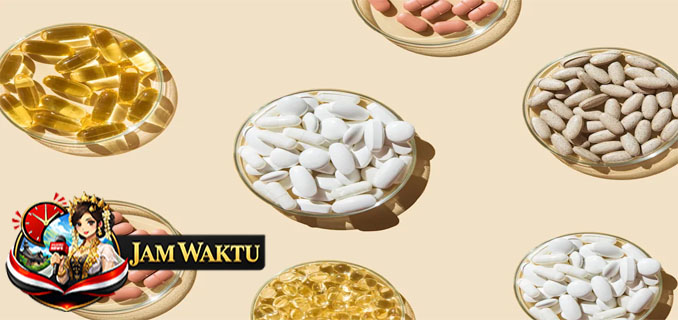
Vitamin and mineral supplements are designed to supplement nutritional intake, especially if a person is not getting enough from their daily diet. The body requires a number of essential micronutrients namely vitamins and minerals that play a vital role in bodily functions such as metabolism, the immune system, bone health, and blood cell formation.
However, these needs are ideally met through a healthy, balanced diet, with a diet rich in vegetables, fruits, protein, and dairy products. Supplements are only recommended when there is a proven deficiency or specific needs.
Supplements Frequently Recommended by Experts
Doctors and nutritionists generally do not recommend that everyone automatically take supplements every day. However, there are several that are often considered beneficial in certain conditions, including:
1. Vitamin D
Vitamin D is important for bone health and helps the body absorb calcium. Vitamin D deficiency is quite common, especially in people who rarely get direct sunlight. Vitamin D supplements may be recommended for adults with low levels or a high risk of osteoporosis.
2. Vitamin B12
Vitamin B12 plays a role in red blood cell formation and nerve function. Individuals on vegetarian or vegan diets are often deficient in B12 because this nutrient is commonly found in animal products. B12 supplements are important if tests indicate a deficiency.
3. Calcium
Calcium is essential for bone density and muscle function. Although it is widely available in foods like milk, yogurt, and green vegetables, calcium supplements may be considered if dietary intake is insufficient.
4. Multivitamins
Multivitamins can be helpful for people with less diverse diets or individuals with increased nutritional needs (such as pregnant women, the elderly, or those recovering). However, multivitamins are not a substitute for a healthy diet, but rather a complement.
5. Probiotics (Specific Choice)
Some experts also recommend probiotics good bacteria that support digestive health especially if someone frequently experiences digestive upset. However, food sources like yogurt or tempeh can also provide similar benefits.
When Are Supplements Not Necessary?
It’s important to note that not everyone needs additional supplements, especially if their intake from food is sufficient. Numerous studies have shown that if your diet is complete with fruits, vegetables, protein, and other sources of nutrients, your body can obtain almost all the nutrients it needs from food alone, without the addition of special supplements.
Experts also warn against uncontrolled supplement use. There is a risk of vitamin accumulation, drug interactions, and other side effects if taken without a doctor’s recommendation. For example, certain fat-soluble vitamins such as vitamin A or E can accumulate in the body, causing toxicity if consumed in excess.
Consulting with a Health Professional Is Key
Before deciding to take a particular supplement, experts agree that consulting with a doctor or nutritionist is a wise move. A simple blood test can often reveal whether your body is lacking certain nutrients and which supplements are truly needed. Without this, you may be wasting time and money and even risking harm to your health.
Supplements can be a useful tool to help meet nutritional needs especially for those with specific deficiencies, advanced age, or special conditions. However, supplements are not necessary for everyone, and it’s important to prioritize a healthy and varied diet first. In situations where additional nutrition is needed, supplements such as vitamin D, B12, calcium, or multivitamins may be recommended, but should be tailored to individual needs after consulting a healthcare professional.