Jamwaktu.com – Station Place officially hosts a photography installation titled Way Out West, a visual exhibition presenting artistic interpretations of travel, landscapes, and reflections on public space. The exhibition opened to the public last week and immediately attracted a wide range of audiences, from art lovers and contemporary photographers to passing station visitors.
The Way Out West installation is curated by an independent creative team in collaboration with local and international photographers. The central theme is the relationship between travel experiences and spatial perception. Furthermore, the exhibition attempts to re-envision the visual interaction between individuals and their environments, demonstrating how public spaces, such as train stations, function not only as transit points but also as narrative stages for urban life.
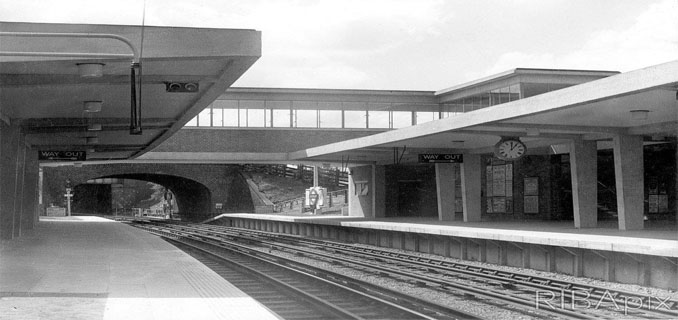
According to the exhibition’s curators, Way Out West is deliberately placed at Station Place because it represents a meaningful intersection of mobility. The station is not just the starting or ending point of a journey, but also a space where diverse experiences intersect: separation, hope, longing, and encounter.
“We want to allow visitors to revisit the meaning of travel from a different visual perspective not just a map or schedule, but stories captured through the lens,” the curators stated at the opening of the event.
The exhibited works come in a variety of sizes and formats, from large prints that compel visitors to stand close and contemplate, to a series of small photographs placed sequentially to create a kind of visual rhythm. Some of the works depict vast, desolate natural landscapes, while others capture dense, dynamic urban spaces. These photographs were chosen to reflect both the physical and emotional journeys humans experience within their spatial contexts.
One of the most striking photographs is a series of seemingly endless desert landscapes, as if depicting a never-ending quest. Meanwhile, photographs of urban public spaces capture moments of human interaction with architecture, movement, and light, opening up a wide range of interpretations about how these spaces shape human experience and vice versa.
Even station visitors who initially intended to simply wait for the train now choose to pause to observe these works. They appear to be discussing, taking photographs, or simply contemplating in front of the installations. One visitor, Maya, said that the photographs awakened a new awareness of how she views her daily surroundings.
“I came here just to wait for the train, but these works made me see this space in a different way. It felt like I was reacquainting myself with the same place, but from a different story,” he said.
The exhibition not only features visual works but also features an ambient sound installation designed to enhance the atmosphere of the journey. These sounds include the roar of the train, the wind, and faint conversations, all of which serve as a soundtrack to enrich the visitor’s visual experience. The exhibition’s layout is designed to make visitors feel as if they are traveling through a series of stages of a journey, from the wide open space, through urban alleys, and back to the station’s public space.
Beyond its aesthetic dimension, Way Out West also raises reflections on how public space is often overlooked as a narrative medium. In everyday life, spaces such as stations, bus stops, or other transit areas may not be considered aesthetically important. However, through this installation, these spaces are highlighted as settings full of stories and the dynamics of life. This raises important questions: to what extent do public spaces influence the human experience, and how can we be more sensitive to the stories hidden within them?
The Way Out West exhibition will run for a full month at Station Place, with free access for all visitors. In addition, the organizers are holding discussion sessions and photography workshops every weekend, aiming to provide a space for the public to delve deeper into the meaning of travel, landscape, and the relationship between humans and public spaces.
With a positive response from visitors, Way Out West is expected to become more than just an art exhibition, but also a platform for reflection on how we understand our journeys, both tangible and symbolic, amidst the dynamics of urban life. This exhibition presents a new perspective, inviting us to re-examine the spaces we usually pass through, recognizing that each step within them carries a story worth seeing and understanding.