
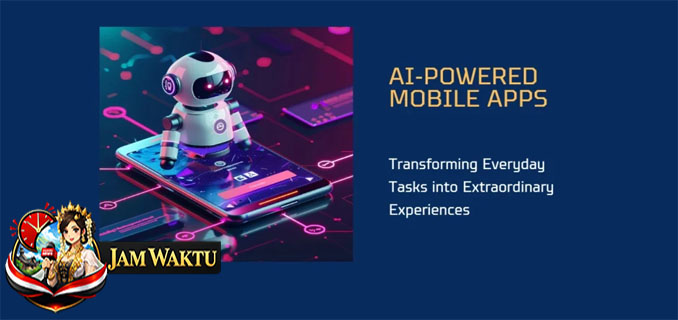
Jamwaktu.com – The development of artificial intelligence (AI) is increasingly evident in everyday life. Now, AI-powered mobile apps are no longer just communication or entertainment tools, but also play a significant role in transforming the way people maintain their health, fitness, and daily productivity. Through smart features and data-driven personalization, this technology provides a more measurable, efficient, and relevant experience for each individual.
In recent years, the surge in the use of AI-powered health apps has shown a positive trend. Users no longer simply count steps or monitor calories, but also receive in-depth analysis of sleep patterns, heart rate, stress levels, and even exercise recommendations tailored to their individual conditions.
Personalization is Key
One of the main strengths of AI-powered apps is their ability to learn user habits. By utilizing machine learning, the apps can analyze historical data such as activity patterns, food intake, and sleep schedules. Based on this data, the system then provides personalized recommendations.
For example, if a user is frequently sleep deprived, the app will suggest optimal rest times and provide reminders to go to bed earlier. If the heart rate shows an abnormal pattern during exercise, the app can provide an early warning prompting the user to adjust the intensity of the exercise.
This approach creates a more personalized experience than conventional methods. Users feel like they are being guided individually, rather than simply following general guidelines.
A Revolution in the Fitness World
In the fitness sector, AI apps provide virtual trainers who can tailor exercise programs to the user’s goals, whether for weight loss, muscle building, or increased stamina. These exercise programs are continuously updated based on the user’s performance progress.
Camera- and sensor-based motion analysis features also help ensure correct exercise technique, thereby minimizing the risk of injury. Some apps can even provide real-time posture correction.
Furthermore, integration with wearable devices such as smartwatches and fitness trackers further enriches the data analyzed. Information such as blood oxygen levels, heart rate variability, and sleep quality can now be processed into comprehensive daily health reports.
More Proactive Health Monitoring
AI-based health apps also play a crucial role in monitoring certain medical conditions. Users with chronic diseases such as diabetes or hypertension can record routine data, which is then analyzed to detect risky patterns.
Some apps are even capable of providing early warnings if any abnormal indications are detected, allowing users to immediately consult a medical professional. This shifts the healthcare approach from a reactive to a more proactive and preventative one.
Furthermore, AI-based health chatbots are becoming increasingly sophisticated. They can answer basic questions about mild symptoms, provide initial guidance, and help users determine whether to see a doctor.
Impact on Daily Life
The transformation doesn’t stop at physical health. AI apps also help manage stress, improve focus, and maintain life balance. Guided meditations, mood trackers, and AI-based time management features help users organize their daily activities more effectively.
Some apps can even suggest optimal work schedules based on user productivity patterns. If the system detects a decline in focus at certain times, the app can recommend a break or a short relaxation activity.
With a data-driven approach, daily decisions become more rational and measured. Users no longer rely solely on feelings but also on objective analysis provided by technology.
Challenges and Privacy Issues
Despite its numerous benefits, the use of AI in health apps also presents challenges, particularly related to data security and privacy. Health information is sensitive data that must be strictly protected.
App developers are required to implement data encryption, multi-layered security systems, and transparency in the management of user information. Government regulations also play a crucial role in ensuring that personal data protection remains a priority.
An Increasingly Integrated Future
Going forward, AI-powered mobile apps are predicted to become increasingly integrated with formal healthcare services. Data from apps can serve as additional references for doctors in determining diagnoses or treatment plans.
Collaboration between technology, medical professionals, and users will create a more holistic digital health ecosystem. With continued innovation, AI applications will not only help people live healthier lives but also shape more conscious and intentional lifestyles.
This transformation emphasizes that technology is not just a tool, but a partner in maintaining quality of life. In the digital era, health and wellness are now within reach, supported by increasingly intelligent and personalized artificial intelligence.