Jamwaktu.com – The fashion world is constantly moving rapidly, and fast fashion remains a phenomenon that captivates fashion enthusiasts worldwide. With its ability to deliver the latest trends in record time, fast fashion promises a relentless flow of styles, keeping consumers eager to stay up-to-date with the latest trends.
Fast fashion refers to clothing production that responds quickly to market trends, moving from design to store availability in a matter of weeks. This business model emphasizes speed, affordability, and a wide product variety, allowing consumers to purchase trendy clothing without having to wait for the official fashion season. Global brands like Zara, H&M, and Uniqlo are examples of companies that have successfully utilized this business model.
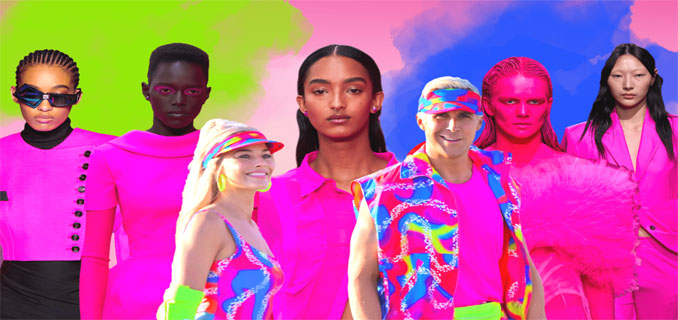
One of the main attractions of fast fashion is its ability to respond instantly to pop culture trends. For example, clothing collections inspired by celebrities, popular TV series, or viral memes can appear in stores within a short time. This strategy makes consumers feel up-to-date with global trends, creating a near-continuous purchasing cycle.
However, the speed of fast fashion production also has a controversial side. Mass production in short runs often raises ethical and environmental challenges. Many fast fashion factories employ low-wage workers and work long hours. Furthermore, cheap, quickly outdated clothing increases textile waste, putting pressure on the ecosystem. Despite this, consumers remain attracted by affordable prices and consistently fresh designs.
The fast fashion trend is also influenced by the consumer behavior of younger generations, particularly Gen Z and millennials. This group emphasizes self-expression through clothing style and is more responsive to social media trends. Platforms like Instagram, TikTok, and Pinterest fuel demand for the latest trends, making fast fashion a practical solution for consumers who want to look fashionable without waiting.
Digital and e-commerce developments have also strengthened the appeal of fast fashion. Many brands now offer online shopping with weekly collection updates, making it easier for consumers to purchase new clothes without having to visit a physical store. Fast shipping and flexible return features make the shopping experience more convenient, reinforcing the fast purchase cycle.
However, some brands are beginning to respond to environmental criticism with sustainability initiatives. For example, the use of recycled materials, used clothing collection programs, and supply chain transparency have become a focus for businesses to remain relevant to environmentally conscious consumers. These innovations demonstrate that fast fashion is not only about speed, but also about adapting to social and environmental awareness.
The fast fashion trend also encourages the creativity of young designers. Many designers utilize fast fashion cycles to showcase experimental collections that can be tested in the market. This opens up opportunities for innovation and collaboration between global and local brands, making fashion trends more diverse and dynamic.
Furthermore, social media plays a significant role in accelerating the trend cycle. Influencers and celebrities can popularize certain styles in a matter of days, which fast fashion brands then respond quickly to. Consumers actively engage through comments, reviews, and user-generated content, creating an interactive fashion ecosystem.
In conclusion, fast fashion remains a powerful phenomenon due to its ability to deliver rapid trends, affordable prices, and endless product variety. Despite facing ethical and environmental challenges, this business model continues to adapt to digitalization, sustainability, and consumer behavior that always seeks to look fashionable. This phenomenon proves that fast fashion is not just a passing trend, but part of the dynamic and innovative evolution of the modern fashion industry.