Jamwaktu.com – Renowned Indonesian designer Lenny Hartono once again captured the attention of the national and international fashion community with a collection of Balinese endek fabrics at the 18th Denpasar Festival (Denfest) in 2025. Her collection successfully combined local cultural elements with modern aesthetics, bringing the richness of Indonesian tradition to the contemporary fashion stage.
This year’s Denpasar Festival was a major creative platform for artists, creative economy players, and local designers to showcase their best work. The fashion shows held as part of the festival captivated attendees with a variety of innovative designs, but the highlight was Lenny Hartono’s endek collection.
Balinese Endek in Modern Fashion
At this event, Lenny Hartono presented a series of garments inspired by endek fabric, a traditional Balinese textile heritage rich in motifs and colors. Lenny Hartono’s fashion house presented a bright, energetic collection, reflecting optimism and enthusiasm for the future, particularly in welcoming the new year 2026.
The combination of bold colors such as red, orange, yellow, green, and purple in this collection is not merely a visual aesthetic, but also intended to symbolize revival and positive energy. According to Lenny Hartono, this collection was designed to convey a message of hope and confidence that cultural heritage is not only relevant today but can also be reinterpreted in future global fashion trends.
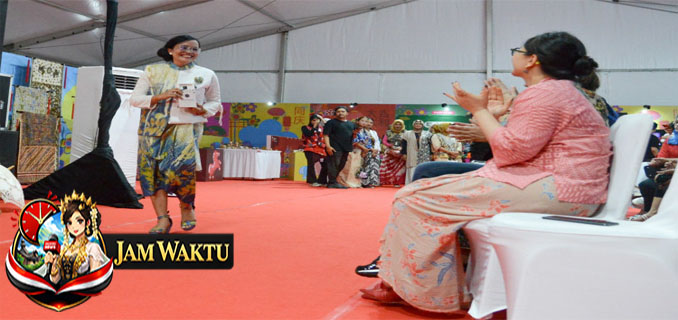
The collection was presented on the magnificent Denfest stage, with 11 teenage models from Lenny Hartono Management captivating the audience with their renditions of each creation. Guests, including Sagung Antari Jaya Negara, Chairperson of the Denpasar City Council of National Craftsmen (Dekranasda) and Ayu Kristi Arya Wibawa, Chairperson of the Denpasar City Youth Organization (GOW), also witnessed the performance, demonstrating the community’s strong support for the creativity of local designers.
A Stage for Creativity and Collaboration for MSMEs
The Denpasar Festival is not just about fashion; it also serves as a platform that combines creativity from various sectors, including the creative economy and MSMEs. The Denpasar City Government emphasizes that this event provides a space for local artists to showcase their work on a broader public stage. This includes collaborations on designs, crafts, and superior products from local creative industry players.
This program is expected to help expand the market reach for Balinese artisans and designers, while introducing Balinese culture to a wider audience, both local and international. The 18th Denfest fashion show itself lasted two days, showcasing designs from many local creators that highlighted the cultural identity of the Island of the Gods.
The Meaning of Culture in Contemporary Design
Lenny Hartono’s work goes beyond simply showcasing beautiful clothing; she also demonstrates how Indonesia’s rich culture can continue to evolve and remain relevant in the modern era. By bringing Balinese endek, traditionally known as a traditional fabric, to the modern fashion stage, Lenny demonstrates that tradition is not static but can be a limitless source of inspiration for contemporary creativity.
In a brief interview, Lenny Hartono revealed that this collection is both a form of appreciation for Balinese culture and a way to convey a positive message through fashion. The bright colors and vibrant motifs were chosen to convey optimism, courage, and strong hope for 2026.
Impact on the Indonesian Fashion Industry
Lenny Hartono’s appearance at the 18th Denfest strengthens Bali’s position as a center of fashion creativity in Indonesia. In addition to showcasing the work of local designers, the event also provides a platform for cultural insights within the broader context of the fashion industry. The Denfest fashion show emphasized that traditional Indonesian fabrics, particularly endek, not only hold historical value but also possess strong aesthetic appeal globally.
The involvement of designers like Lenny Hartono in festivals like this also signals that the Indonesian fashion industry is ready to compete on the international stage, through an approach rooted in culture but packaged with a contemporary spirit. This is seen as a strategic step to advance fashion tourism and expand the reach of Indonesian design in the global market.