Jamwaktu.com – In this fast-paced era, we often rush, missing the small details that mark life’s deepest meaning. But through that small window through the camera lens, the world can appear different: slow, meaningful, and saturated with emotion. Photography is increasingly being discussed not just as a way to document moments, but as a medium for reflection, healing, and connecting relationships between humans, the environment, and ourselves.
Photography as a New Medium of Expression and Observation
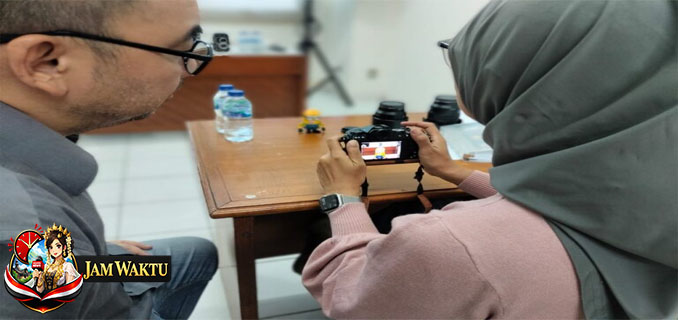
According to several practitioners and researchers, photography helps us see the world in new ways, learning to capture composition, light, color, and perspective, but also learning to pay attention to details, emotions, and atmosphere.
As a creative activity, photography provides a space for someone to express their feelings, thoughts, or perspectives on the world. A photograph is not merely an object, but rather an interpretation of how someone relates to their environment and to themselves.
For many, taking photographs is not merely about aesthetics, but about how to frame reality through a lens, capturing small moments, simple details, atmospheres, and silhouettes, thus providing an opportunity to reinterpret every fragment of life. One writer said that photography allows me to see the world in a different light.
A Space for Reflection and Inner Healing
More than just a hobby, photography is increasingly recognized as a tool for self-reflection or even therapy. In the context of art therapy, photographs are often used to help individuals explore feelings, uncover memories, and process emotional experiences that are difficult to express through words, such as trauma, loneliness, and anxiety.
One writer who uses therapeutic photography describes how photography helps her see the world from a different perspective, transforming pain, anxiety, or trauma into visual material to reflect on, a kind of visual dialogue with oneself.
In recovery community settings or social photo exhibitions, photography and photo-storytelling activities often position participants as narrators of their own experiences rather than objects, thus giving a voice to those often unheard.
Strengthening Connections with the Outside World and Others
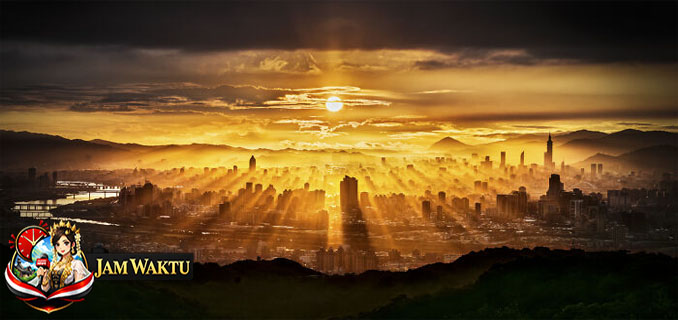
Photography not only changes how individuals see themselves, but also builds connections with the world around them—nature, people, and the social environment. Studies and experience show that landscape or nature photography, for example, can help reduce stress, improve well-being, and provide a sense of connection with the environment.
The photos we take and share of memories, family portraits, friends, and scenes can build empathy, nostalgia, and emotional bonds. Photography is a universal language: even if the words differ, feelings can be conveyed through images.
For communities and groups experiencing hardship, such as trauma victims, abuse survivors, or those with emotional burdens, photography provides an opportunity to share stories in visual form, often more honestly and profoundly, without the need for words.
Art, Identity, and New Awareness Beyond Commercialism
In the world of modern photography, many works transcend commercial or documentary functions. There is a contemplative photography movement inspired by spiritual philosophy or inner awareness that emphasizes presence, clear observation, and appreciation of every detail of life.
For these photographers, taking photos is not about perfect results or getting lots of likes on social media, but about authenticity, serenity, and self-understanding. Photos become a representation of one’s identity: not for mass consumption, but as a space for inner dialogue with the world.
Thus, photography opens the way for individuals seeking to understand who they are, how they connect with their environment, and how they approach life not as an object for visual consumption, but as a reflective, sensitive, and meaningful human being.
Example of Contemporary Practice: When the Lens Invites Us to Look Deeper
A concrete example of this transformation can be seen in the recent trends of “therapeutic photography” and “participatory photo-storytelling.”
For example, there are communities that guide teenagers in using cameras as a way to express emotional struggles such as anxiety, trauma, and identity, then exhibit these experiences as works and social narratives.
Or the activity of taking a leisurely walk with a camera, observing the surrounding environment roadside flowers, morning sunlight, and human interactions then photographing and reflecting. Many people report that this routine is calming, provides a sense of presence, and helps them appreciate life.
For some photographers, the results aren’t just good photos, but visual collections that chart a life’s journey of sadness, happiness, doubt, and serenity. And when we revisit those photos, we can re-enter an emotional space, re-live the moment, and reflect on how we’ve changed.
Why It’s Increasingly Relevant Now
In today’s fast-paced modern world, full of social and technological pressures, many people feel alienated from themselves and their surroundings. In such circumstances, photography presents a sacred, personal, and reflective oasis.
Furthermore, research and practice in psychology and art increasingly recognize the value of photography as a medium for mental health: to calm, overcome stress or anxiety, build self-awareness, and connect with our surroundings and with the deepest aspects of ourselves.