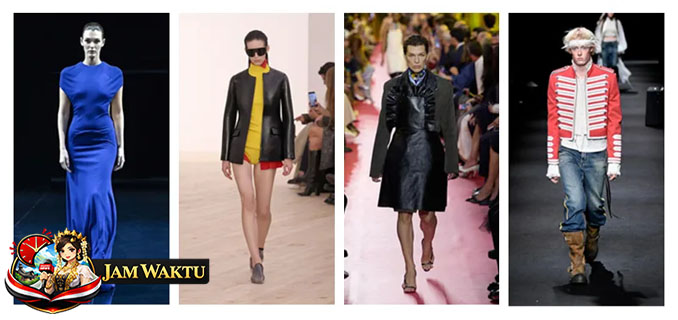
Jamwaktu.com – The fashion world entered a new chapter in 2026, with a clearer direction toward striving for sustainable style. This trend marks a major shift in how the industry and consumers view clothing: it’s no longer just about appearance, but also about function, comfort, and environmental impact. However, one thing remains consistent: casual style remains a top favorite across generations.
Sustainable style strives combine the concept of effortless fashion with the value of environmental responsibility. Clothing is designed to be durable, flexible for various activities, and made from more sustainable materials. This approach is considered to meet the needs of modern society, which desires practical clothing while remaining relevant to global issues such as climate change and textile waste.
“Fashion 2026 will no longer focus on fast-paced trends that are easily changed. Consumers now prefer clothing that is durable, multifunctional, and has sustainable values,” said Rani Putri, a sustainable fashion and lifestyle observer.
Casual Style Remains a Mainstay
Despite many innovations, casual style continues to dominate. High-quality plain t-shirts, loose-fitting shirts, relaxed-fit pants, lightweight outerwear, and functional casual shoes are key items in the 2026 collection. The difference lies in more mature designs and more responsible materials.
The casual style of 2026 is sleeker and more modern, with clean cuts, neutral colors, and minimalist details. Casual clothing is now not only suitable for casual activities but also for work, travel, and semi-formal occasions.
“Casual doesn’t mean careless. In 2026, casual reflects self-awareness and a balanced lifestyle,” added Rani.
Eco-Friendly Materials in the Spotlight
One of the main characteristics of sustainable style is the use of environmentally friendly materials. Fabrics based on natural fibers and recycled materials, as well as low-emission textile technology, are increasingly being used by local and global brands. Manufacturers are also starting to reduce the use of harmful chemical dyes and switching to more water- and energy-efficient production processes.
Consumer awareness is driving this change. Many buyers are now more careful when purchasing clothing, from the source of the material, the production process, to the product’s lifespan. Transparency is a sought-after added value.
Function, Comfort, and Style in One Package
The 2026 fashion trend emphasizes that clothing must support the high mobility of modern society. Ergonomic cuts, comfortable materials in various weather conditions, and easily mix-and-match designs are the main advantages of strive style.
Clothes are no longer purchased for a single occasion, but for various situations. One jacket can be worn for work, casual outings, or even short trips. This makes consumers feel more informed and efficient in their shopping.
The Role of the Younger Generation in Sustainable Trends
The younger generation, especially Gen Z, plays a crucial role in driving this trend. They not only follow fashion but also question the value behind a product. Social media has become a platform for education and campaigns for sustainable lifestyles, including in the fashion world.
Brands that successfully align modern design with environmental messages tend to receive a positive response. Collaborations between designers, communities, and environmental activists are also becoming more common.
A More Responsible Future of Fashion
The strive style trend for sustainability is predicted to be more than just a passing phenomenon. In fact, this style is laying the foundation for the future of the fashion industry. With casual as the mainstay and designs constantly evolving, fashion in 2026 will balance aesthetics, function, and social responsibility.